New Year, New Lawn: Start 2026 With a Smarter Lawn Care Plan
As the year comes to a close, many homeowners are focused on fresh starts, new routines, and setting goals for the year ahead. While fitness goals and home projects often top the list, one area that’s frequently overlooked is the lawn. Your yard may look quiet in late December, but what you do, or don’t do, right now can have a major impact on how healthy, green, and weed-free it looks in the months ahead.
A new year is the perfect time to think strategically about your lawn. Rather than reacting to problems once they appear in spring, building a smart lawn care plan now helps prevent common issues like weeds, thin turf, discoloration, and pest damage before they start. With the right approach, you can enter the new year confident that your lawn is set up for success.
Why Lawn Care Planning Starts Before Spring

Many homeowners assume lawn care begins when the grass starts growing again, but that mindset often leads to playing catch-up. In reality, winter is when the groundwork for a great lawn is laid. Grass plants may be dormant, but the soil is still active, and weeds don’t completely stop growing just because temperatures drop.
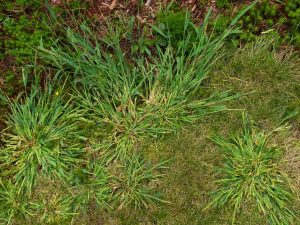
Planning ahead allows you to stay ahead of seasonal challenges instead of reacting to them. Weeds like chickweed, henbit, and poa annua thrive in cool weather and can quietly take over if left untreated. Soil compaction, nutrient deficiencies, and lingering pest issues can also carry over into spring if not addressed properly.
By starting your lawn care plan in late December or early January, you give your lawn a head start and avoid the stress of scrambling once the growing season is already underway.
Understanding What Your Lawn Needs in the New Year
Every lawn is different, and a successful plan starts with understanding your specific turf type, soil conditions, and past challenges. In the Carolinas, most lawns consist of cool-season fescue, warm-season Bermuda, or Zoysia grass. Each of these grasses has different needs throughout the year, and a one-size-fits-all approach rarely delivers lasting results.
Cool-season fescue lawns typically benefit from winter weed control and soil health improvements that prepare them for strong spring growth. Warm-season grasses like Bermuda and Zoysia are dormant in winter, but that doesn’t mean they should be ignored. Winter is an ideal time to manage weeds, assess soil compaction, and plan for early-season fertilization.
A smart lawn care plan looks beyond what’s visible and focuses on long-term turf health rather than quick fixes.
The Role of Winter Weed Control in a Smarter Lawn Plan
One of the biggest mistakes homeowners make is waiting until spring to think about weeds. By the time weeds are visible in warmer weather, they’re already established and harder to control. Winter weed control is a critical piece of any effective lawn care plan and plays a major role in how clean your lawn looks come spring.
Treating weeds during the winter months helps stop them before they spread and compete with your grass for nutrients, water, and sunlight. It also reduces the need for aggressive treatments later in the year, which can stress your lawn and slow recovery.
Including winter weed control in your New Year lawn care plan helps create a cleaner, healthier foundation for spring growth and makes future treatments more effective.
Soil Health: The Foundation of a Better Lawn
Healthy grass starts with healthy soil, yet soil health is often overlooked. Compacted soil, poor nutrient balance, and low organic matter can prevent your lawn from reaching its full potential no matter how often you fertilize.
Late December and early January are ideal times to evaluate soil conditions and plan corrective treatments. Addressing issues like compaction, pH imbalance, and nutrient deficiencies allows your lawn to absorb fertilizers and water more efficiently once growth resumes.
A smarter lawn care plan focuses on improving soil conditions gradually over time rather than relying on quick, surface-level treatments.
Fertilization Planning for the Year Ahead
Fertilization is one of the most important components of lawn care, but timing and balance are everything. Applying the wrong nutrients at the wrong time can do more harm than good. Planning your fertilization schedule ahead of time ensures your lawn receives exactly what it needs throughout the year.
Rather than overloading your lawn with fertilizer in spring, a well-structured plan spaces applications appropriately to support root development, color, and overall turf strength. This approach helps prevent excessive growth, reduces disease risk, and improves your lawn’s ability to handle heat, drought, and foot traffic.
A New Year lawn care plan should account for seasonal fertilization needs and align them with your specific grass type.
Preparing for Aeration and Seeding
Another advantage of planning ahead is knowing when aeration and seeding will be most beneficial. Compacted soil limits root growth and water absorption, which can lead to thin, stressed turf. Aeration relieves compaction and creates space for roots to expand.
For fescue lawns, overseeding in the appropriate season helps fill in thin areas and improve overall density. By planning aeration and seeding well in advance, you ensure these services are performed at the optimal time rather than waiting until problems become obvious.
A proactive approach leads to thicker, healthier turf and fewer bare spots throughout the year.
Pest and Insect Awareness Going Into the New Year
While insects may not be active during the winter, damage from pests like grubs often becomes noticeable later in the season. A smart lawn care plan considers preventative measures and early detection rather than reactive treatments after damage has occurred.
Understanding past pest issues and including preventative strategies in your annual plan helps protect your lawn before problems escalate. This forward-thinking approach saves time, money, and stress while preserving turf health.
Why Professional Lawn Care Makes Planning Easier
Creating a lawn care plan on your own can be overwhelming, especially when trying to juggle different grass types, treatment timing, and seasonal changes. Professional lawn care services take the guesswork out of the process by providing structured programs designed to work with local climate conditions.
Professionals understand how weather patterns, soil types, and seasonal transitions impact lawns in the Carolinas. A customized plan ensures your lawn receives consistent care throughout the year, reducing the risk of common issues and improving long-term results.
Starting the New Year with a professional plan in place allows you to enjoy your lawn without constantly worrying about what it needs next.
Start the New Year With Confidence in Your Lawn

A new year is about progress, consistency, and smarter decisions. Your lawn deserves the same thoughtful approach as the rest of your home. By planning ahead in late December, you position your lawn for healthier growth, fewer weeds, and better curb appeal throughout the year.
Instead of reacting to problems as they arise, a proactive lawn care plan keeps your yard looking its best from season to season. With the right strategy in place, you can look forward to a greener, thicker lawn as the new year unfolds.
If you’re ready to start the New Year with a smarter lawn care plan, RDS Lawn Care Services is here to help. Our customized lawn care programs are designed to meet the unique needs of lawns throughout the greater Charlotte area and the Carolinas.
Contact RDS Lawn Care Services today to schedule a lawn evaluation and take the first step toward a healthier, greener lawn in the year ahead.
📞 Call us today at 704-822-1625 to schedule your lawn care program.
RDS Lawn Care Services – Saving Lawns Since 1996.