Late Season Weed Control – the Essential Step Many Homeowners Miss
If you live in Gaston County, North Carolina, you’ve probably noticed something strange about your lawn as temperatures cool down — weeds don’t disappear. In fact, some of the most damaging weeds actually get their start in late fall and early winter, quietly setting the stage for major lawn problems next spring.
Homeowners in Gastonia, Belmont, Mount Holly, McAdenville, Dallas, Lowell, Stanley, and Cramerton often assume weed control is a spring-only task. Unfortunately, by the time weeds show up in spring, they’re already well-established — and much harder (and more expensive) to eliminate.
That’s why late-season weed control is one of the most important, yet overlooked, lawn treatments of the year.
Why Weeds Don’t Take the Winter Off in Gaston County
Gaston County’s climate creates the perfect environment for winter annual weeds. While your grass slows down, weeds take advantage of cooler temperatures, moisture, and thinner turf.
Winter weeds typically:
-
Germinate in fall
-
Grow slowly through winter
-
Explode in early spring before grass fully wakes up
Because they grow quietly during colder months, many homeowners don’t realize there’s a problem until spring — when weeds suddenly seem to appear “overnight.”
In towns like Gastonia and Mount Holly, where lawns experience compacted soil, shade, and inconsistent maintenance, winter weeds can become especially aggressive.
Common Winter Weeds Found in Gaston County Lawns
Late-season weed control focuses on stopping specific weeds that thrive in Gaston County soils.
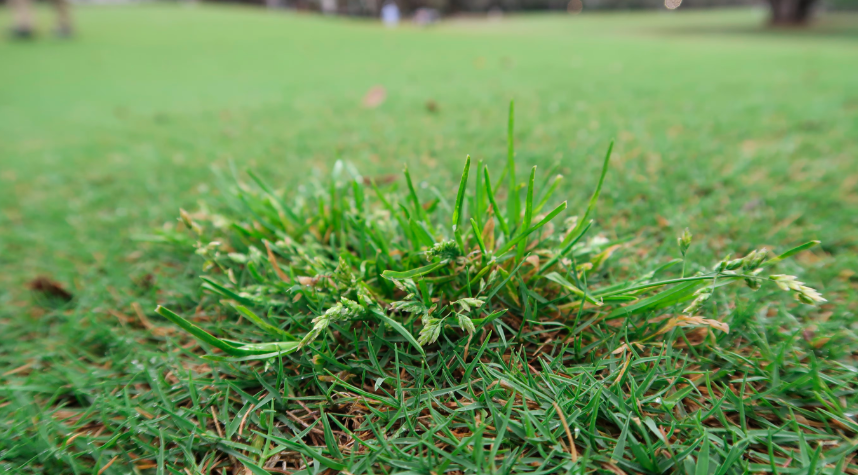
1. Poa Annua (Annual Bluegrass)
-
One of the most destructive winter weeds
-
Germinates in fall and produces seed heads in spring
-
Thrives in compacted, nutrient-poor soil
-
Common in Belmont, McAdenville, and Cramerton
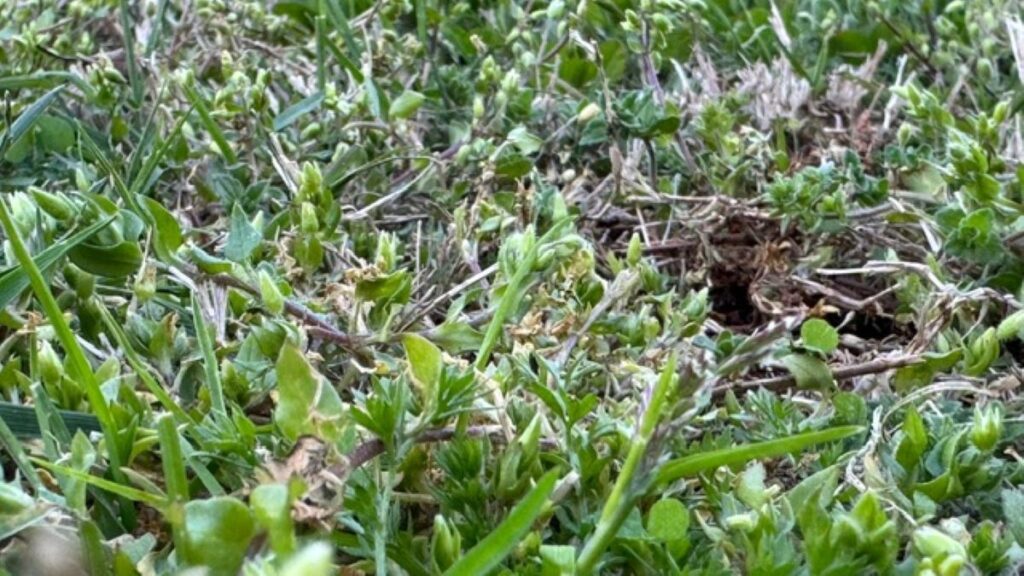
2. Chickweed
-
Forms dense mats that choke out turf
-
Spreads quickly during mild winters
-
Extremely common in Gastonia and Dallas
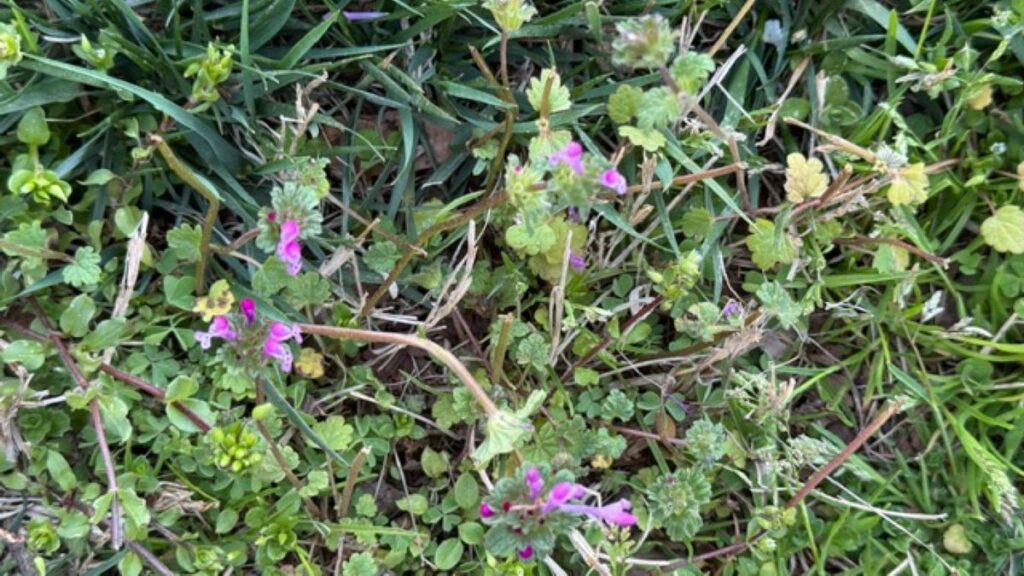
3. Henbit
-
Purple flowering weed that appears early spring
-
Grows aggressively in thin lawns
-
Difficult to remove once established
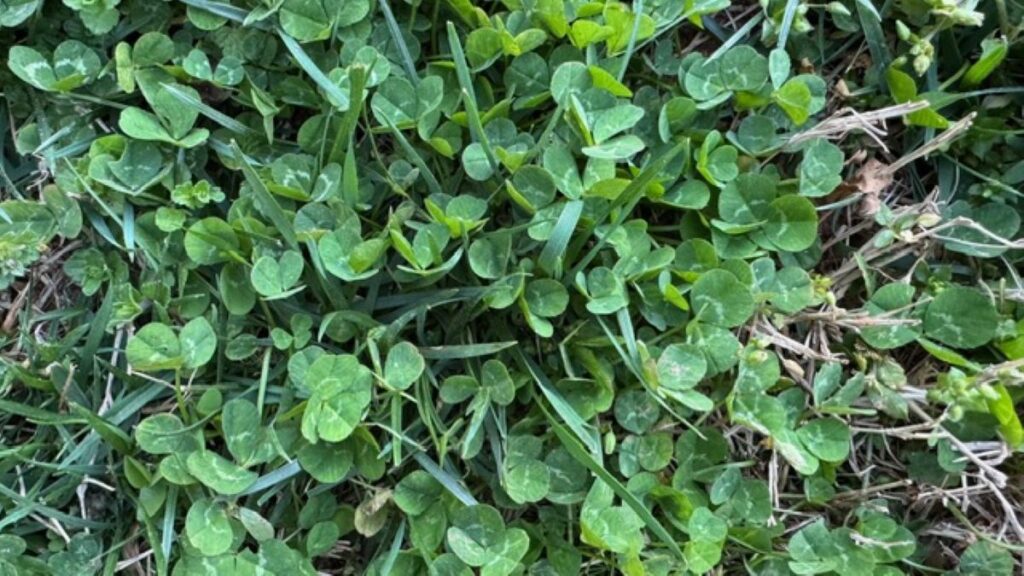
4. Clover
-
Often signals poor soil health or low nitrogen
-
Spreads rapidly if not addressed early
Without late-season weed control, these weeds gain a head start and outcompete your grass long before spring fertilization begins.
What Is Late-Season Weed Control?
Late-season weed control typically includes:
-
Pre-emergent applications to stop weeds before they sprout
-
Targeted post-emergent treatments for visible winter weeds
-
Soil and turf assessments to address underlying issues
This proactive approach is especially effective for homeowners in Gaston County, where mild winters allow weeds to remain active longer than in colder regions.
Why Pre-Emergent Weed Control Is Critical
Pre-emergent weed control is one of the most powerful tools in professional lawn care — but only when applied at the right time.
How Pre-Emergents Work
Pre-emergents create a barrier in the soil that:
-
Prevents weed seeds from germinating
-
Stops weeds before they ever break the surface
-
Reduces the total weed population in spring
Timing Matters More Than Anything
Applying pre-emergent too late means:
-
Weeds already sprouted
-
Barrier is ineffective
-
Spring weeds overwhelm your lawn
In Mount Holly, Lowell, and Stanley, where soil temperatures stay warmer longer, late-season timing is especially critical.
What Happens If You Skip Late-Season Weed Control?
Many homeowners decide to “wait until spring” — but this almost always leads to bigger problems.
1. Weeds Take Over Before Grass Wakes Up
Winter weeds grow faster than turfgrass in early spring, stealing nutrients, water, and sunlight.
2. Thin, Patchy Turf
Weeds weaken grass roots, leading to bare spots that invite even more weeds.
3. Higher Lawn Care Costs
Once weeds mature:
-
More treatments are required
-
Stronger products may be needed
-
Results take longer to achieve
Skipping late-season weed control in Gastonia or Belmont often means fighting weeds all year long.
Why Professional Weed Control Works Better Than DIY
Store-bought weed control products rarely deliver consistent results — especially in Gaston County’s diverse soil conditions.
Professional Lawn Care Includes:
-
Correct product selection for local weed types
-
Proper application rates
-
Weather- and soil-based timing
-
Turf-safe treatments that protect grass
DIY treatments often:
-
Miss the critical timing window
-
Use incorrect dosages
-
Kill grass while weeds survive
A professional program ensures weeds are stopped before they become visible problems.
Late-Season Weed Control for Different Grass Types
Gaston County lawns typically include fescue, bermuda, and zoysia, each requiring a tailored approach.
Fescue Lawns
-
Highly vulnerable to winter weeds
-
Require careful pre-emergent selection
-
Benefit from combined weed control and fertilization
Bermuda & Zoysia Lawns
-
Go dormant in winter
-
Weeds easily invade dormant turf
-
Late-season treatments protect turf density for spring green-up
Applying the wrong product to the wrong grass type can cause damage — another reason professional care matters.
How Late-Season Weed Control Sets Up a Healthier Spring Lawn
When late-season weed control is done correctly:
-
Spring fertilization works better
-
Grass fills in faster
-
Weed pressure is dramatically reduced
-
Lawn maintenance costs are lower overall
Homeowners in Cramerton, McAdenville, and Dallas who invest in late-season treatments consistently see greener, thicker lawns earlier in the year.
Why Gaston County Lawns Need a Local Expert
Soils, weather patterns, and weed pressure vary from town to town across Gaston County. What works in one area may not work in another.
A local lawn care provider understands:
-
Gaston County soil conditions
-
Seasonal weather patterns
-
Local weed varieties
-
Proper timing for treatments
This local knowledge makes all the difference when it comes to long-term lawn health.
Get Ahead of Weeds Before Spring Arrives
If you want a greener, healthier lawn next spring, late-season weed control is the smartest place to start.
Don’t wait until weeds take over your yard in Gastonia, Belmont, Mount Holly, McAdenville, Dallas, Lowell, Stanley, or Cramerton. Proactive treatment now prevents frustration later.
Protect your lawn before winter weeds take hold.
Contact RDS Lawn Care Services today to schedule your late-season weed control and give your Gaston County lawn the head start it deserves.
RDS Lawn Care Services – Gaston County, NC Lawn Care Experts
Proudly serving McAdenville, Mount Holly, Gastonia, Belmont, Cramerton, and surrounding areas.
📞 Call us today at 704-822-1625 to schedule your lawn care program.
RDS Lawn Care Services – Saving Lawns Since 1996.